
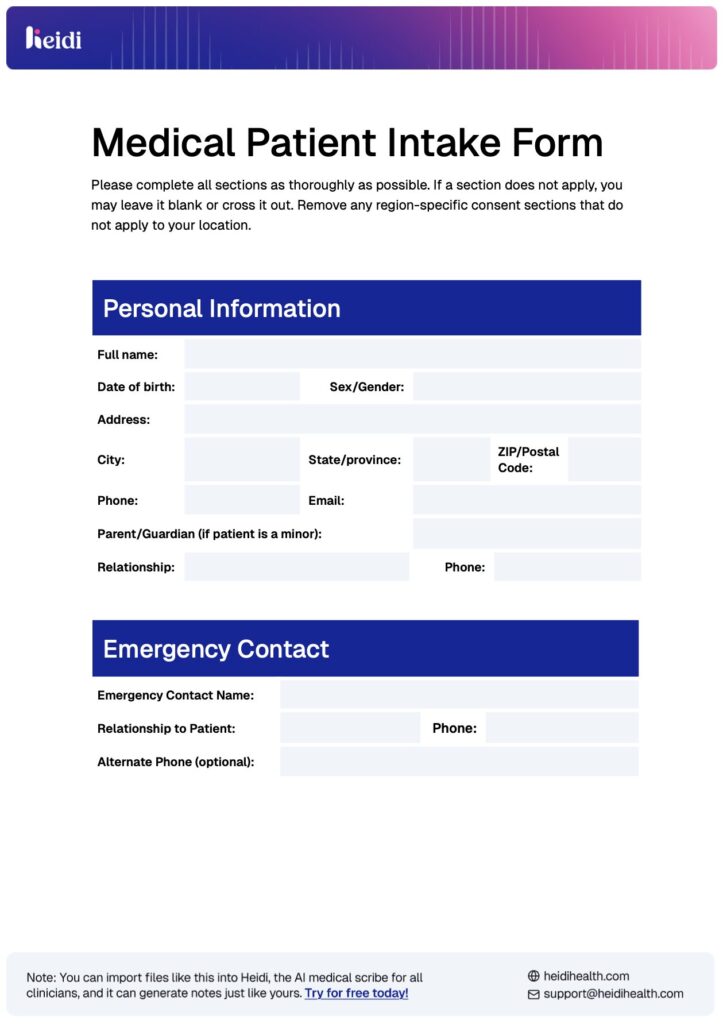
“We eliminated paper forms with AI.”
It sounds modern.
It sounds efficient.
It sounds like innovation.
But here’s the truth most clinics don’t talk about:
Eliminating paper didn’t increase revenue.
Eliminating friction did.
In this breakdown, we’re going deep into how a growing medical spa redesigned its intake system using AI document intake — not just to “go paperless,” but to increase revenue per patient, reduce admin labor, and improve patient experience.
This isn’t hype.
This is architecture.
The Real Problem Wasn’t Paper
The medical spa in this case study was generating just under $4 million annually. Marketing was working. Demand was strong. Treatments were in demand.
But growth was slowing.
Here’s what was happening behind the scenes:
- Patients arrived 15–20 minutes early to complete paperwork
- Front desk staff manually entered data into multiple systems
- Consent forms were sometimes incomplete
- Insurance verification slowed appointment flow
- Intake data wasn’t connected to marketing automation
- Follow-up campaigns were inconsistent
The owner believed paper forms were the bottleneck.
They weren’t.
The bottleneck was workflow fragmentation.
Paper was simply the visible symptom.
Digitization vs. Transformation
Most businesses confuse these two.
Digitization = Converting paper forms into digital forms.
Transformation = Redesigning the workflow so friction disappears.
The spa initially considered simply uploading PDFs into an online portal.
That would have changed the format — not the system.
Instead, they asked a better question:
“Where is intake slowing revenue?”
That question changed everything.
What AI Document Intake Actually Means
AI document intake is not just digital forms.
It combines:
- Optical Character Recognition (OCR) for ID scanning
- Intelligent conditional logic
- Automated validation of missing fields
- Real-time EMR integration
- CRM tagging and automation triggers
- HIPAA-compliant secure data handling
The difference is subtle — but powerful.
Instead of static paperwork, intake becomes a dynamic workflow.
Step 1: Moving Intake Before Arrival
Previously, patients filled forms in the lobby.
New workflow:
- Patient books online.
- Automated secure intake link sent instantly.
- Reminder at 24 hours.
- Reminder at 4 hours.
- Final reminder 1 hour before if incomplete.
Result:
- 92% completion rate before arrival
- Appointments started on time
- Reduced front desk congestion
- Increased daily appointment capacity
Time equals revenue.
And reclaiming time increased bookable capacity.
Step 2: Intelligent Form Logic Reduced Friction
Before AI:
Every patient saw every question.
After AI:
Questions dynamically adjusted based on treatment selection.
Example:
If a patient selected Botox:
- They saw Botox-specific disclosures.
- They answered medication-related questions.
- They did not see irrelevant laser treatment fields.
If a patient indicated no medical conditions:
- Entire sections disappeared.
Average completion time dropped from 18 minutes to 6 minutes.
Less frustration.
Less abandonment.
Better experience.
Friction removed.
Step 3: Intake Became a Revenue Trigger
This is where most spas fail.
They treat intake as compliance.
This spa treated intake as marketing intelligence.
Every submission automatically:
- Updated EMR
- Tagged patient by treatment interest
- Triggered automated email and SMS flows
- Flagged cross-sell opportunities
If a patient selected:
Botox Consultation
They received:
- Pre-treatment education emails
- Financing options
- Membership offer
- Before/after galleries
- Follow-up SMS reminders
If a patient selected:
Laser Hair Removal
They received:
- Skin preparation instructions
- Package discount offers
- Testimonial videos
- Cross-sell suggestions
Intake stopped being paperwork.
It became pipeline activation.
Step 4: Compliance Automation
AI automatically flagged:
- Missing signatures
- Incomplete required fields
- Expired ID uploads
- Insurance inconsistencies
Before:
Staff chased paperwork.
After:
System prevented incomplete submissions.
Compliance strengthened.
Risk reduced.
Admin time dropped.
Step 5: Staff Role Upgrade
Before AI:
Front desk = data entry.
After AI:
Front desk = patient experience and revenue team.
Instead of typing forms:
- They upsold treatment packages.
- Promoted loyalty memberships.
- Strengthened relationships.
- Encouraged reviews.
Labor wasn’t eliminated.
It was elevated.
The 90-Day Results
Within three months:
- Intake time reduced by 63%
- Front desk labor hours reduced by 22%
- No-show rate decreased by 18%
- Membership conversions increased by 27%
- Revenue per patient increased by 14%
And here’s the key insight:
They didn’t eliminate paper first.
They eliminated friction first.
Paper disappeared as a byproduct.
Why Most AI Intake Projects Fail
After reviewing dozens of AI implementations in healthcare and aesthetics, the failure pattern is predictable:
- Buy software.
- Turn it on.
- Expect results.
What’s missing?
- Workflow mapping
- Revenue integration
- CRM automation
- Staff retraining
- Clear KPI tracking
AI accelerates systems.
If your workflow is broken, AI breaks it faster.
The Hidden Revenue in Intake
Intake is not admin.
It is data acquisition.
And data drives:
- Personalization
- Retargeting
- Cross-selling
- Upselling
- Retention campaigns
- Membership growth
When intake integrates with marketing, revenue multiplies.
When intake stays isolated, opportunity disappears.
The Bigger Digital Transformation Lesson
This story isn’t about paper.
It’s about myth.
Every industry has one:
- “AI replaces staff.”
- “Automation eliminates admin.”
- “CRM fixes sales.”
- “Chatbots fix support.”
Technology does not fix broken systems.
It exposes them.
The businesses that win:
- Map workflows first.
- Identify friction points.
- Tie automation to revenue.
- Measure outcomes, not features.
Implementation Roadmap
If you’re running a medical spa, here’s your blueprint:
- Map your intake workflow from booking to treatment.
- Identify manual data entry steps.
- Identify where intake data dies.
- Connect intake to CRM.
- Build conditional logic into forms.
- Automate reminders.
- Automate marketing triggers.
- Retrain staff roles.
- Track KPIs for 90 days.
Start with system design.
Then deploy AI.
Frequently Asked Questions (FAQ)
1. Is AI document intake expensive to implement?
Costs vary depending on integration complexity, but most ROI-positive systems pay for themselves within months due to increased efficiency and conversions.
2. Does AI intake replace staff?
No. It shifts staff from administrative tasks to higher-value revenue-generating roles.
3. Is it HIPAA compliant?
When implemented correctly using secure, encrypted systems and compliant vendors, yes. Compliance must be designed into the architecture.
4. How long does implementation take?
Most properly scoped implementations take 30–60 days including workflow mapping, integration, testing, and staff training.
5. Can this work for smaller spas?
Absolutely. Even smaller clinics benefit from friction reduction and automation, often seeing faster ROI due to leaner teams.
6. What metrics should be tracked?
- Intake completion rate
- Intake time
- No-show rate
- Revenue per patient
- Membership conversion rate
- Front desk labor hours
Final Takeaway
The myth:
AI eliminated paper forms.
The truth:
AI eliminated friction.
And friction is expensive.
When friction disappears:
- Capacity increases.
- Revenue increases.
- Patient satisfaction improves.
- Staff performance improves.
- Compliance strengthens.
Technology is not transformation.